Login

Login
Feb. 21, 2025
When researching drilling rigs, a common set of questions arises that many individuals and companies seek to answer. Whether you have extensive experience or are entering the sector for the first time, grasping the fundamentals related to drilling rigs is vital. In this article, we will explore five frequently asked questions regarding drilling rigs, shedding light on important aspects as highlighted in various online sources.
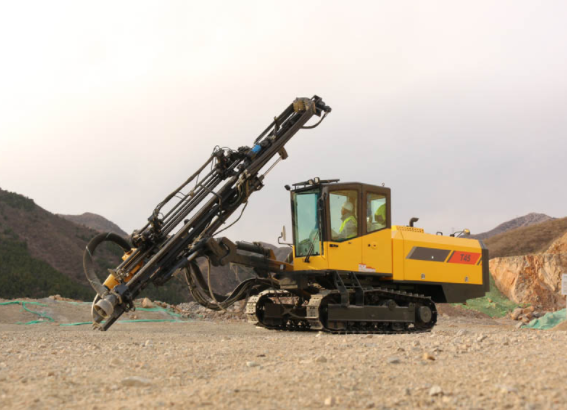
Drilling rigs are complex machines engineered to create holes in the Earth's crust. These rigs are essential across different sectors, including oil and gas exploration, construction, and geothermal energy production. They come in various forms, each specifically designed to meet the unique demands of different drilling tasks.
Drilling rigs function by rotating a drill bit into the subsurface, facilitating the extraction of resources or creating boreholes for multiple purposes. This operation leverages an interplay of mechanical, hydraulic, and electrical systems working together to optimize drilling efficiency. A solid understanding of this mechanism is fundamental for improving performance.
There are multiple types of drilling rigs, each tailored to specific operational needs. Among the most common are rotary drilling rigs, cable tool drilling rigs, and directional drilling rigs. The selection of a particular rig is influenced by factors such as geological conditions, depth requirements, and the project's goals.
Safety is an absolute priority in drilling rig operations. A comprehensive array of safety measures is enacted to safeguard workers and avert accidents. These include frequent equipment inspections, effective personnel training, and strict compliance with industry regulations. The integration of advanced technology is also integral to bolstering safety across drilling operations.
The drilling sector is in a state of continual advancement, with technological breakthroughs enhancing drilling rig capabilities. Areas such as automation, data analysis, and eco-friendliness are becoming focal points for innovation. These advancements not only enhance operational efficiency but also serve to mitigate the environmental effects associated with drilling activities.
A: While drilling rigs are heavily utilized in the oil and gas industry, they are also employed in construction, mining, and geothermal energy projects.
A: The depth capability of a drilling rig varies based on its type and specifications. Some rigs can extend thousands of meters into the Earth's layers.
A: Contemporary drilling rigs adopt eco-friendly practices, which include effective waste management, site reclamation, and the implementation of technologies aimed at reducing ecological footprints.
A: The time required to establish a drilling rig can vary significantly, depending on the rig type, complexity, and specific site conditions. Setup durations can range from several hours to multiple days.
A: Yes, stringent regulations exist to oversee drilling rig operations, ensuring safety, environmental safeguarding, and adherence to best industry practices.
Drilling rig manufacturer HBXG provides a diverse selection of machines and equipment for the water well, mineral, and geotechnical sectors. Click here to explore the available models online.
301 0 0
Join Us


Comments
All Comments ( 0 )